
At Martin Luther King Jr. Middle School in Atlanta, the name above the door is more than a tribute. It’s both a reminder and an expectation, calling on educators and students alike to live up to Dr. King’s legacy. Here, academic rigor and character are not separate goals, but inseparable commitments. As an International Baccalaureate (IB) Middle Years Programme (MYP) school, King delivers a rigorous, inquiry-based education that teaches critical thinking, real-world problem-solving, global awareness—and, uniquely, kindness toward others. Together, these priorities reflect Dr. King’s belief: “Intelligence plus character—that is the goal of true education.”
King is located on Atlanta’s west side and brings together nearly 900 students from six different elementary schools. Students arrive from a wide range of neighborhoods, backgrounds, and lived experiences, creating an increasingly diverse student body that calls for intentional community building.
As the school’s IB Instructional Coach Tanesha Calhoun puts it, students “were just so used to being in their bubble or in their neighborhoods. They didn’t want to work in groups. I said, think about how it’s going to look when you go to work—you might be there with all types of people. A school as diverse as ours helps students prepare for that.” In this context, building a shared sense of community is not incidental—it’s essential. That’s where teaching kindness comes in: helping students build bridges between circles that might otherwise remain separate.
The school is anchored by a shared definition of kindness, co-created by students and staff: “It’s noticing when someone needs help, using positive words, standing up for what’s right, and welcoming everyone into our community. Through our everyday choices, big and small, we create a school where every person feels safe, valued, and connected.” And just like academics, as sixth-grade counselor Dr. McCullough says, “Anything that we expect, we have to teach.”
At King, that commitment comes to life through a daily structure known as “connect before content,” which ensures that kindness is practiced with the same consistency and rigor as any other subject. At the start of every class, teachers pose a rotating kindness question developed by Dr. Boatwright, the school’s Restorative Practices and SEL Coach. Rather than an elective or add-on, kindness is embedded into King’s day-to-day academics.
One recent prompt asked, “What have you done that made a difference in someone else’s life?” Students went around the room, ensuring every voice was heard. “For some kids, no one else is talking to them about that,” Dr. Boatwright explains. “And then they realize – oh, I did do something for someone. I didn’t even know that was being kind.” Through this repetition and reflection, students begin to see that kindness isn’t just about grand gestures; it lives in everyday actions.
Additional Teach Kindness lessons deepen this work. Activities like Personal Slogans, where students create short, positive statements about themselves to counter negative self-talk, have quietly supported students who feel academically discouraged. One student even carried his slogan in his binder every day as a reminder of his resilience.
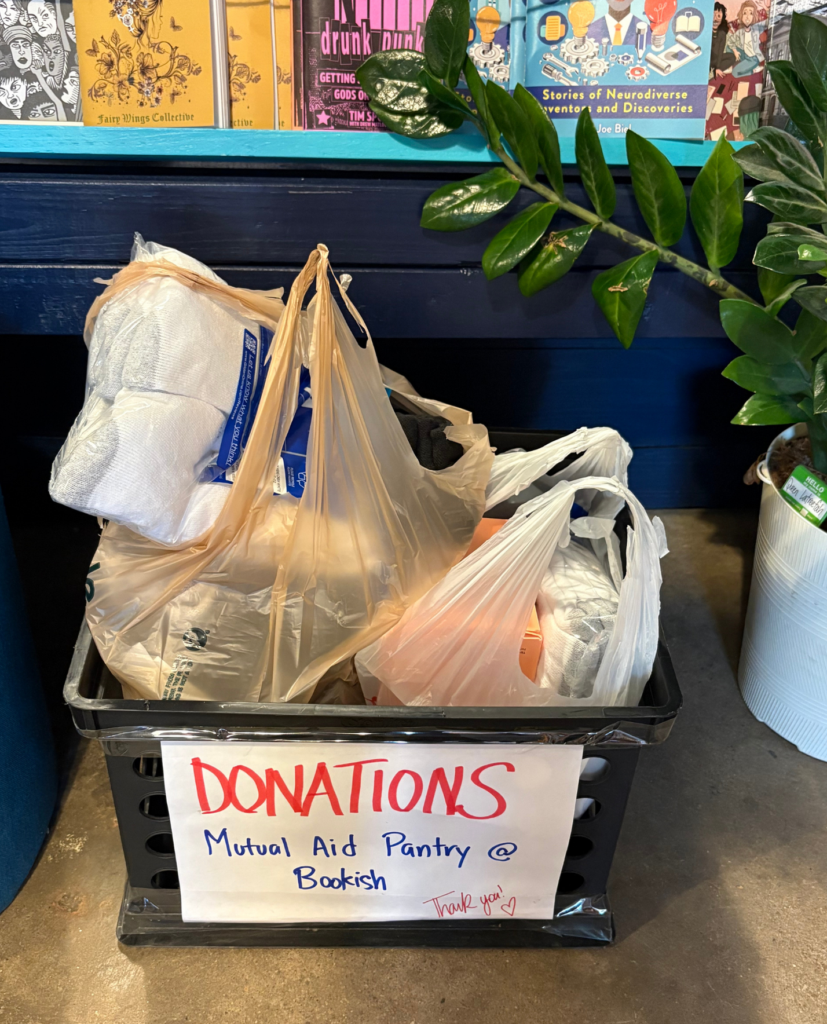
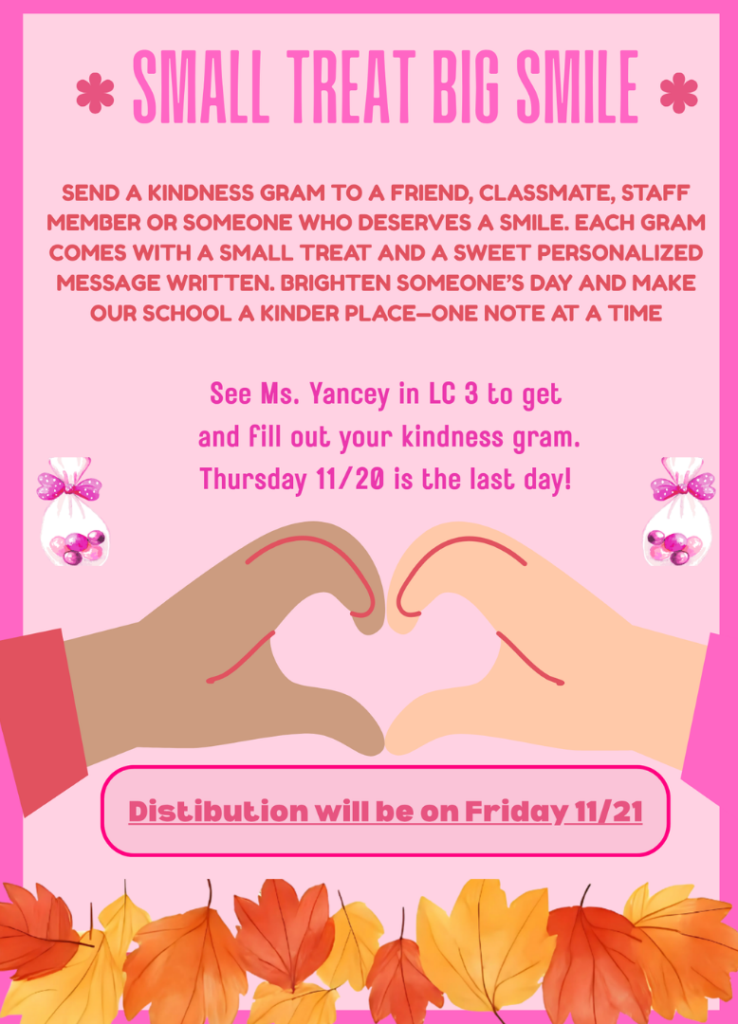
At King, kindness can be celebratory and visible, too. When a teacher received a $1,000 grant and placed the funds in students’ hands, the impact was immediate and tangible. Students launched kindness initiatives across the school: Kindness Gram lollipops, roses left anonymously in hallways, and a food drive responding directly to community needs. In one classroom, students created posters with tear-off affirmation strips; by the time Dr. McCullough noticed one, nearly every strip had been taken.
At Martin Luther King Jr. Middle School, kindness is embraced at every level, taught in every lesson, practiced in every hallway, and held to the same standard as any academic skill. Intelligence and character are built together, each intentionally reinforced. “Kindness is embedded in who we are and what we do,” says Ms. Calhoun. “If they don’t arrive knowing how to be kind, it’s up to us to teach it.”