
John Doedyns Elementary School in San Juan, Texas, sits about ten miles from the Mexican border. The school serves close to 400 students in a bilingual, dual-language setting. Many students have been enrolled since pre-K. Others arrive midyear as migrant families move through the region. Counselor Raquel Duberney-Guerrero, now in her seventeenth year at the school and her fifth as counselor, leads the kindness work alongside librarian Veronica Frias and instructional coach Noe Galvan.
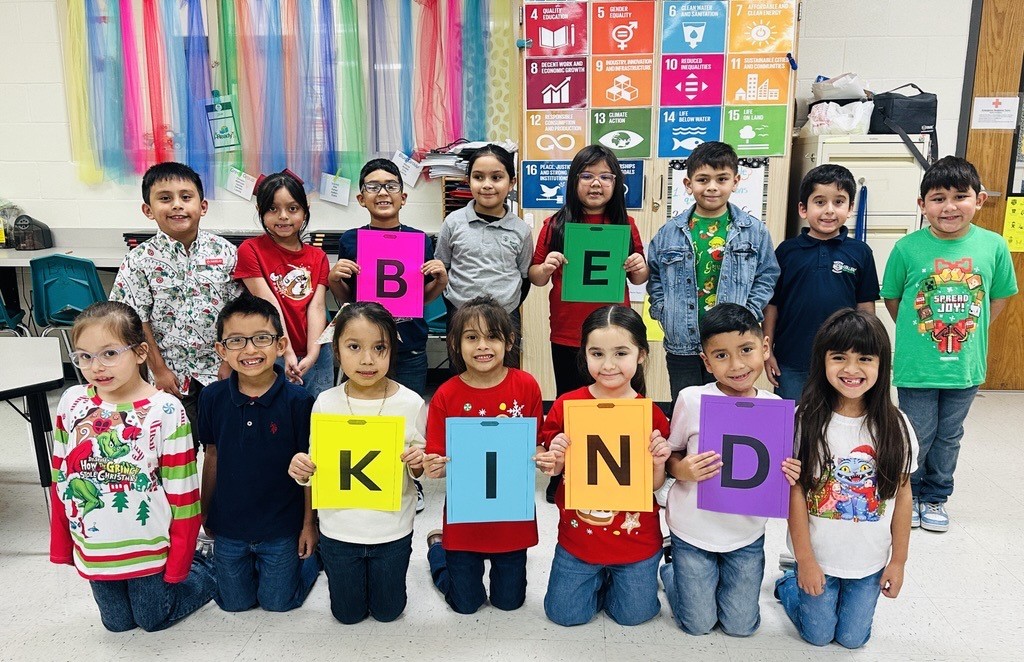
The school runs daily and weekly kindness challenges through the morning announcements: compliment someone, thank someone for something specific, help someone without being asked. At lunch and recess, the staff sees the results. “You hear it,” Frias says. “They’ll tell you, ‘Miss, I love your earrings today,’ or ‘Thank you for opening the door.’ The kids are learning that.”
The culture shows up in how students look out for one another. At recess, if someone is sitting alone, another student will walk over and invite them to join. When a classmate needs extra help, whether it’s carrying a lunch tray or getting to the nurse, students volunteer without being asked. “It’s not anything that we pushed out there,” Guerrero says. “It’s entirely coming from them.”
When new students arrive, including migrant students who enroll midyear, the welcome happens the same way. Guerrero describes a recent morning when she noticed students walking two new siblings through the building. “I asked what they were doing. They said, ‘Oh, we’re giving them a tour of the school because they’re new here.’” No adult had prompted it.
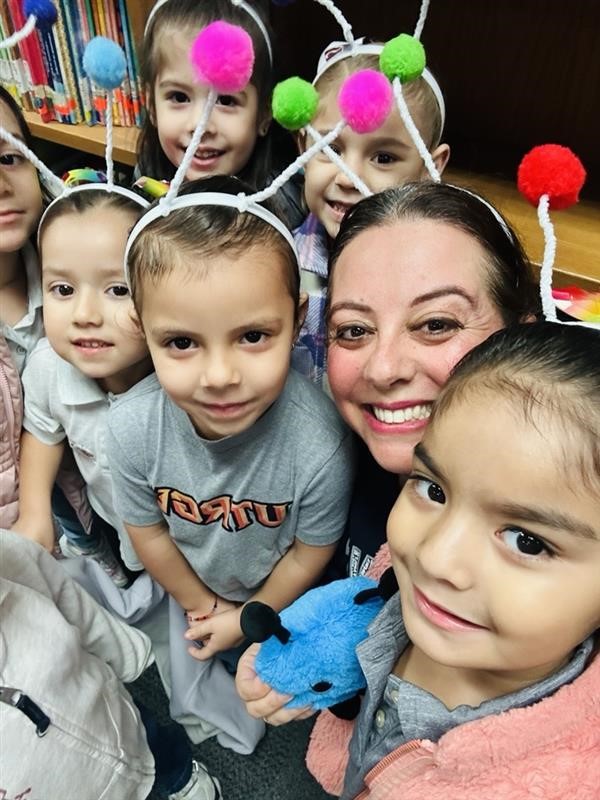
Guerrero uses Teach Kindness lessons and works with Frias to bring in authors who write about belonging. This year, students put on “Enougie ears” after reading a picture book about a character who wonders whether he is enough, and wore them in the classroom on days they needed a reminder. “You show them the Enougie ears and they remember,” Frias says. “That’s when you know they learned something about kindness.” Third grader Kiara O. said, “It made me feel happy that I could express my feelings to a friend.” Kendra Q. shared, “I felt emotional to be able to share my feelings because at my other school, people were not kind.”
Guerrero is clear that the work is a team effort. “One person cannot do this and change the culture of a school,” she says. “This is who we are. This is what we want to establish at our campus.”